
I’ve spent more than twenty years moving product and shaping floor strategy through Aristocrat, Ainsworth, TCS John Huxley and Crown, and I’ve learned that a table game only earns its keep when the mechanics hold together after the third arvo shift, not just on the first deal. Spin to Win Spanish 21 Blackjack takes the familiar Spanish 21 skeleton and bolts a randomised bonus round onto it, which changes how a player approaches doubles and splits more than most operators expect. The pitch is straightforward: you still work with a 48-card shoe stripped of tens, you still chase that late surrender and the six-card automatic win, but every qualifying hand gets a chance to trigger a free spin that can flip a losing total into a paid result. It’s the kind of feature that reads well on a crowded screen and still respects the maths underneath, provided the operator sets the pay table and the spin trigger odds with proper care. Anyone tracking the current setup can read through stellar spins reviews before committing time to a session, because the actual trigger frequency and the bonus payout structure are the two things that decide whether this variant feels fair or just noisy.
What the table actually hands you
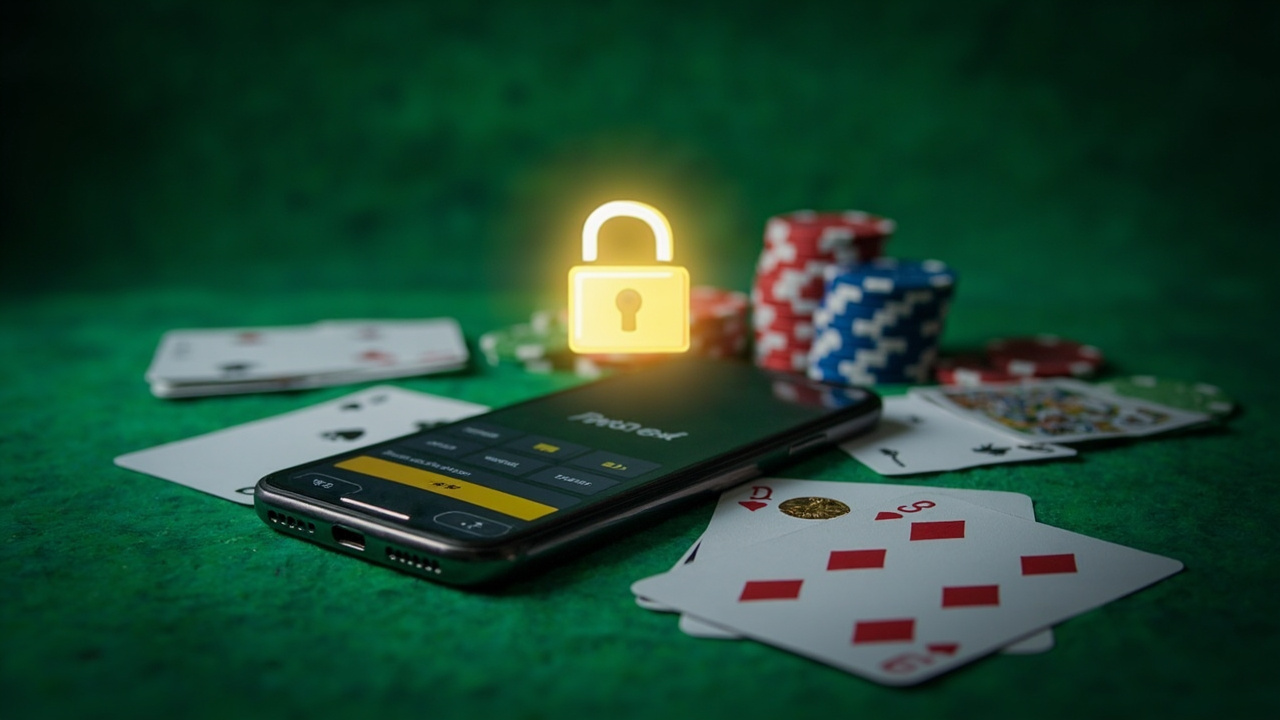
The base game keeps Spanish 21’s familiar edges intact, and that’s the first reason it deserves attention rather than a passing glance. You’re playing without the four ten-value cards, which thins the shoe and shifts the dealer’s bust patterns, while the player-friendly rules like late surrender, doubling on any two cards and the six-card automatic win stay in place. Spin to Win layers a separate trigger on top, usually tied to specific hand totals or suited combinations, and when it fires you drop into a short bonus sequence where extra wins can be paid on top of the main hand. In my experience walking floor layouts and product specs, the variant works best when the operator keeps the trigger odds transparent and doesn’t let the bonus payout mask a weaker base pay table. The everyday usability is solid: the decision tree stays close to standard blackjack, the screen layout doesn’t crowd the betting controls, and the pace holds up for a regular session without dragging the table down. It’s not a game that asks you to relearn blackjack from scratch, which is exactly why it fits a venue that wants a fresh coat of paint without rebuilding the whole rulebook.
Where the bonus helps and where it costs you
A journalist I was talking to after a long product review session put it plainly: “The spin looks like free money until you realise the trigger rate and the payout cap are doing the real work.” That’s the judgement call I’ve made on similar bonus-layered tables over the years, and it’s the same lens I’d apply here. The upside is genuine enough – a well-timed spin can rescue a weak total, and the feature adds a visual rhythm that keeps the hand interesting when the shoe goes cold. The trade-off is that a trigger tied too tightly to rare combinations turns the bonus into a occasional spectacle rather than a meaningful part of the session, and a capped payout can flatten the excitement fast. I’ve seen variants where the operator’s pay table quietly subsidises the flash, and that’s the point where a player needs to read the numbers instead of the animation. Daniel Negreanu built part of his reputation on reading opponents and narrating the likely hands they were holding, and there’s a similar discipline here: you’re watching the pattern of triggers, the frequency of paid spins and the way the base hand pays, because the feature only earns its keep when the whole package is balanced. The variant rewards patience and a clear read of the pay table more than it rewards chasing the animation.
How it sits on the floor and in your pocket
On a physical floor, this kind of variant needs a clear position and honest signage, because the spin element can distract from the actual decision points if the layout is cluttered. I’ve overseen product placements where a bonus-heavy blackjack table sat next to a plain multi-hand game and pulled the eye without pulling the profit, which is a useful reminder that presentation isn’t the same as performance. On mobile, the same discipline applies: the betting controls need to stay readable, the spin trigger needs to be obvious without being loud, and the hand history should still show what actually paid. The registration and account side should stay conventional for the market, with the usual identity checks and the standard payment paths in the currencies the operator supports, because a flashy table doesn’t excuse a messy onboarding flow. Support and loyalty matter here more than they do on a plain game, since players who enjoy the spin element will want to know how the trigger is tracked and whether the bonus payouts feed into any rewards structure. A clean, consistent setup across desktop and phone is what turns a novelty into a game people come back to, rather than one they try once and forget.
Darwin conditions and the calendar reality
Out near Darwin, the heat and the late light change how people sit with a table, and a variant like this has to respect that rhythm instead of fighting it. I’ve worked rooms where the afternoon session stretched long and the game had to stay readable on a tired screen while the room stayed busy as the evening cooled down, and a bonus feature that demands constant attention doesn’t always suit that pace. The local calendar also has a way of reshaping the crowd: when the Melbourne Cup runs, the room tilts toward quick sessions and clear outcomes; when State of Origin or the AFL Grand Final lands, the table traffic shifts and people want a game that can sit alongside the broadcast without demanding full concentration; and around the Boxing Day Test, the slower tempo means a variant with a bit of visual interest can hold its own without feeling like a distraction. None of that makes the game itself better or worse, but it does mean the operator’s timing, the screen clarity and the trigger pacing need to match the room rather than a generic spec sheet. A variant that fits the local tempo earns more repeat sits than one that only looks good in a quiet demo.
- Read the trigger frequency and the spin payout together before judging the game, because one without the other tells you very little.
- Check whether the bonus round pays independently or only on top of a winning hand, since that changes how often the feature actually matters.
- Confirm the base Spanish 21 rules are intact, especially late surrender and the six-card automatic win, before the spin element becomes the main selling point.
- Test the betting controls on mobile as well as desktop, because a crowded screen can hide the decision points that matter most.
- Ask how the spin results are displayed in the hand history, so you can see what triggered and what paid without relying on memory. stellar spins reviews Atar-notes
I’ve seen enough table variants come through product meetings to know that the ones worth keeping are the ones that stay honest about what they add and what they don’t. Spin to Win Spanish 21 Blackjack has enough going for it in the base rules and the bonus rhythm to hold a session together, provided the pay table and trigger pacing are set with care and the presentation matches the room it’s sitting in. It’s a fair bit of fun when the trigger fires, but it still rewards the same discipline any blackjack player needs: watch the numbers, respect the rules, and don’t let the animation do the thinking for you.